
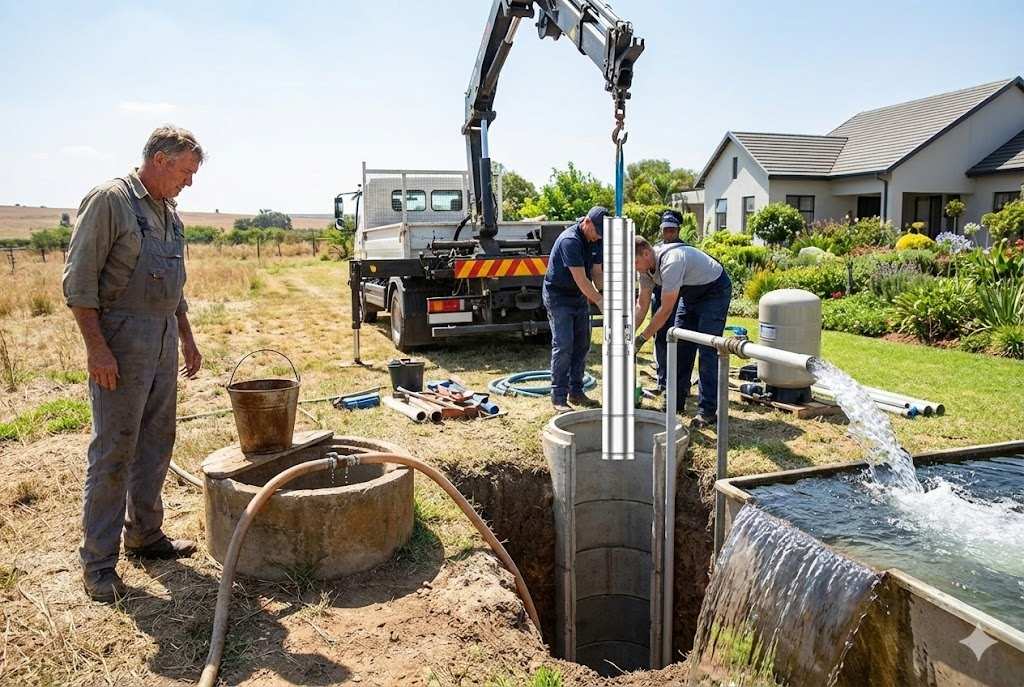

Reliable access to clean water is essential for homes, farms, and commercial properties. As municipal systems face increasing demand, many property owners are exploring independent water solutions that provide greater control and long-term stability. A professionally installed well can deliver dependable water access for decades while reducing dependence on public infrastructure and rising utility costs.
Investing in water well drilling gives property owners direct access to underground groundwater sources that can provide consistent water availability throughout the year. Modern drilling methods, combined with proper site evaluation and system planning, help create efficient water systems that support long-term reliability, sustainability, and property value in both rural and suburban locations.
Understanding How Water Wells Work
Water wells access groundwater stored beneath the earth’s surface in underground aquifers. Specialized drilling equipment creates a deep opening that allows water to flow into a properly protected well system.
Components of a Modern Water Well System
Most systems include the drilled well, casing, pump, pressure tank, and filtration equipment. Together, these components help maintain water pressure, protect water quality, and ensure efficient delivery throughout the property. Proper installation is critical for long-term performance and consistent water supply reliability.
Why Long-Term Water Reliability Matters
Water interruptions can create major challenges for households, agriculture, and businesses. Municipal restrictions, aging infrastructure, and seasonal shortages often affect public water systems.
Benefits of Independent Water Access
A private well provides greater control over water availability and usage. Many property owners choose wells to avoid supply interruptions and rising water costs. In areas where public utilities are limited, wells may also provide the most practical long-term water solution for consistent daily use.
Professional Drilling Improves System Performance
The quality of installation significantly affects how well a water system performs over time. Proper planning and site evaluation help maximize efficiency and reduce future maintenance concerns.
Professional water well drilling services evaluate soil conditions, groundwater depth, and aquifer capacity before installation begins. This process helps determine ideal drilling locations and system requirements, improving long-term reliability while reducing the likelihood of future water pressure or contamination issues.
Factors That Influence Well Performance
- Aquifer depth and quality
- Soil and rock conditions
- Pump system design
- Water demand requirements
- Proper well casing installation
- Routine maintenance practices
Careful planning supports consistent water flow and dependable system operation.
Water Quality Benefits of Proper Well Construction
A properly constructed well helps protect groundwater from contamination and environmental exposure. Modern well systems include protective casing and sealing methods that reduce outside pollutants from entering the water supply.
Groundwater Protection Measures
Professional contractors follow strict installation practices to protect underground water sources. Proper sealing prevents surface runoff, bacteria, and debris from contaminating the well. Water testing and filtration systems can further improve safety and drinking water quality for residential and commercial use.
Cost Savings Over the Long Term
Although initial installation costs can seem significant, private wells often reduce long-term water expenses. Municipal water rates may continue increasing, while well owners primarily manage electricity and maintenance costs.
Long-Term Financial Advantages
Property owners with efficient well systems often experience lower monthly utility bills and reduced dependence on public infrastructure. Over time, these savings may offset installation expenses while increasing overall property value and water independence.
Common Long-Term Well Benefits:
- Reduced monthly water costs
- Greater supply reliability
- Lower dependence on municipal systems
- Increased property appeal
- Long operational lifespan
- Better control over water usage
These benefits make water wells a practical investment for many property owners.
Regular Maintenance Supports Reliability
Like any major system, wells require maintenance to maintain dependable performance. Routine inspections help identify small concerns before they become serious problems.
Important Maintenance Practices
Water testing, pump inspections, pressure checks, and system cleaning all contribute to long-term reliability. Monitoring water flow and addressing changes quickly can help prevent interruptions while extending equipment lifespan.
Helpful Maintenance Tips:
- Schedule annual water testing
- Inspect pressure tanks regularly
- Protect well caps from damage
- Monitor changes in water pressure
- Service pumps as recommended
- Keep contaminants away from the well area
Preventative maintenance protects both water quality and system efficiency.
Water Wells Support Sustainable Resource Use
Groundwater systems can support more sustainable water management when properly maintained and responsibly used. Many property owners value wells as part of broader environmental and conservation efforts.
Environmental Advantages of Well Systems
Using local groundwater sources may reduce strain on municipal infrastructure and support more localized water management. Efficient pumps and modern equipment can also improve energy efficiency while minimizing unnecessary water waste.
Responsible well use and groundwater protection help preserve resources for future generations while maintaining dependable supply access.
Choosing the Right Water Well Contractor
Selecting an experienced drilling contractor is one of the most important parts of the process. Professional expertise directly affects safety, efficiency, and long-term performance.
What to Look For in a Contractor
Licensed contractors with experience in local geology and groundwater conditions can provide more accurate planning and dependable installation. Strong customer reviews, transparent pricing, and proper permitting knowledge are also valuable indicators of quality service.
Working with qualified professionals helps ensure your water system remains reliable and compliant with local regulations.
Conclusion
Water well drilling offers property owners a dependable long-term solution for consistent water access, cost control, and greater independence from municipal systems. With proper planning, professional installation, and regular maintenance, a well system can provide reliable performance for decades while supporting water quality and sustainability goals. From improved property value to reduced utility expenses, private wells offer practical advantages for many homes and businesses. Investing in a professionally designed well system helps create lasting confidence in your property’s water supply future.